

Sapphire / Blue Corundum / Star Sapphire
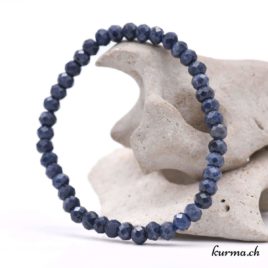
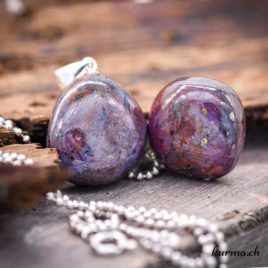
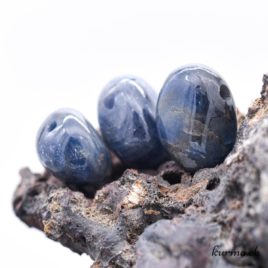
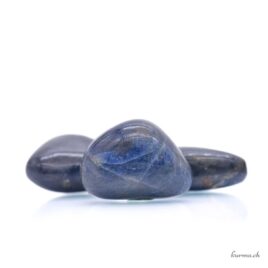
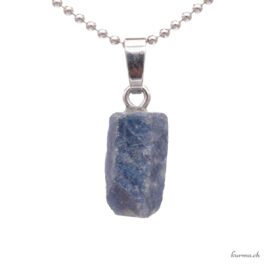
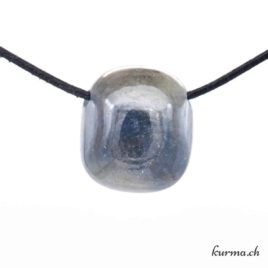
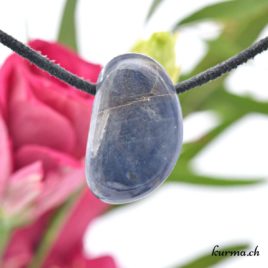
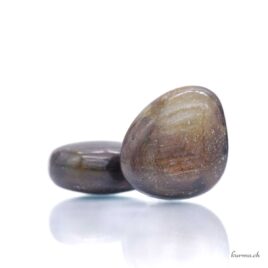
—tumbled gemstones, bracelets, minerals, pendants
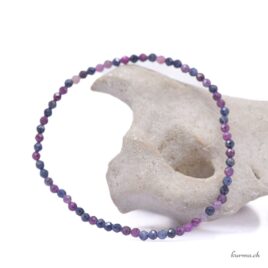
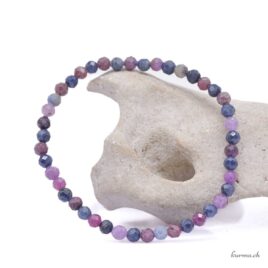
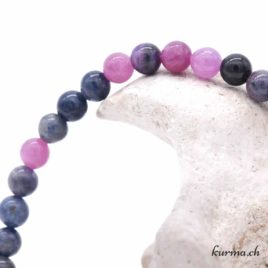
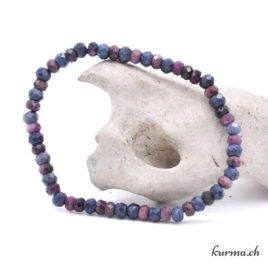
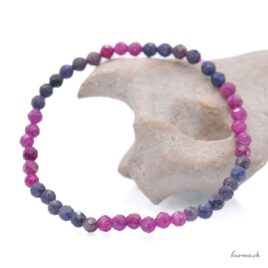
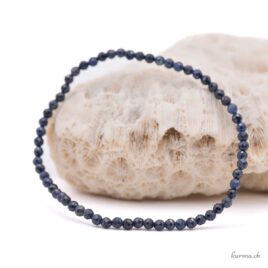
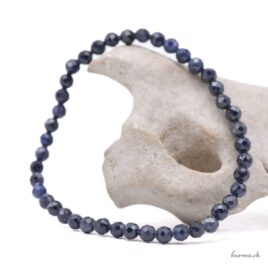
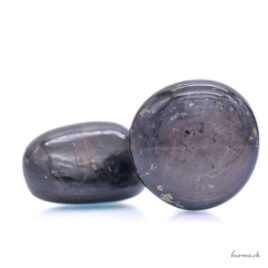
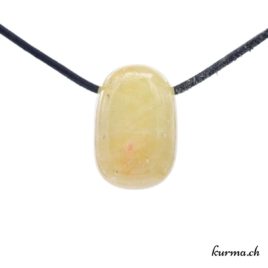
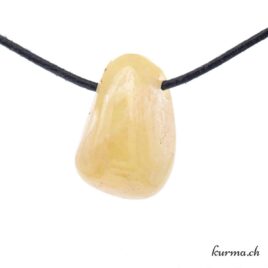
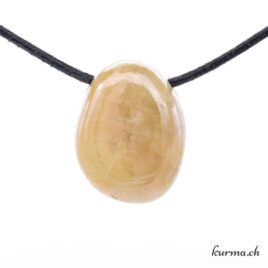
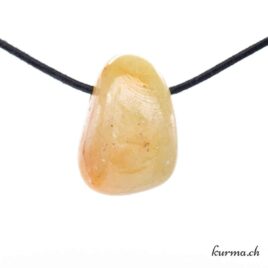
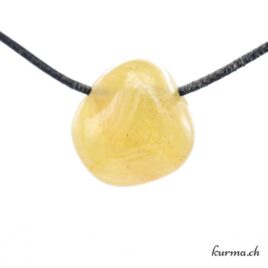
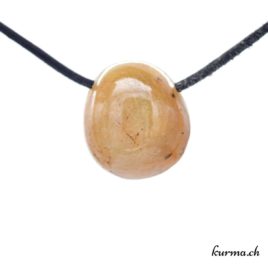
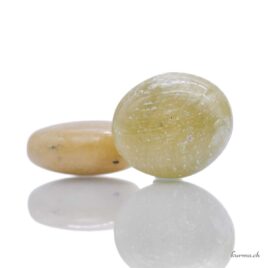
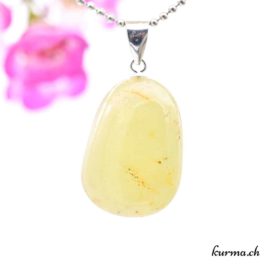
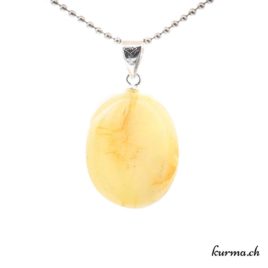
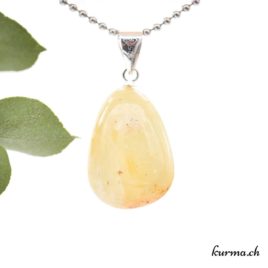
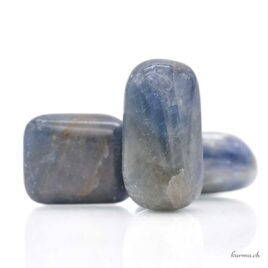
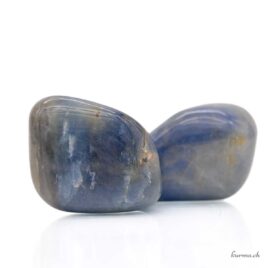
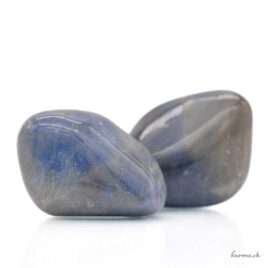
Sapphire is highly sought after in jewelry as a gemstone. Composed of aluminum oxide, it comes in a variety of colors: yellow, bronze, blue, orange, pink, purple, green, or black.
In crystal healing, it is a stone that promotes mental clarity and fosters both inner discipline and emotional stability.
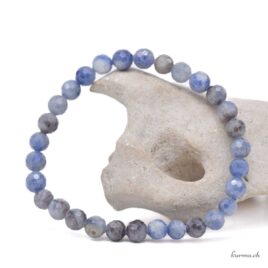
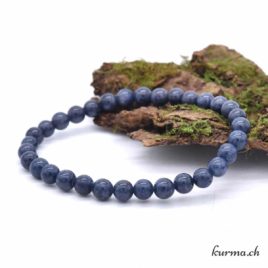
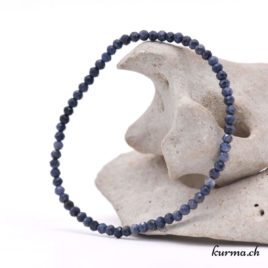
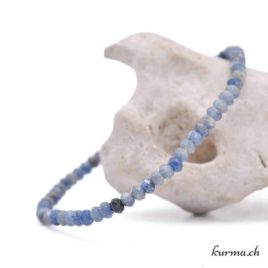
What are the benefits and properties of sapphire in crystal healing?
The Symbols of the Sapphire
Its name comes from the Latin *sapphirus * and the Greek *sappheiros*. It was once called “Oriental Sapphire” or, nowadays, “Blue Corundum” or “Star Sapphire” for specimens exhibiting asterism. In ancient times, the term “sapphire” could just as easily have referred to lapis lazuli.
In ancient Egypt and Rome, the sapphire was a sacred stone associated with justice, honesty, truth, loyalty, and wisdom.
In medieval Europe, the clerics were likewise seen as symbols of royal protection, loyalty, purity of intention, and wisdom; they were regarded as guarantors of moral integrity and protectors against betrayal.
Sapphire, the birthstone for September
Associated with truth, loyalty, protection, and wisdom in ancient astrological traditions—which linked the stone to the qualities attributed to those born in September—its connection to the signs Virgo and Libra endures in contemporary traditions. The sapphire is currently the official birthstone for September.
September, following summer, symbolizes a time of transition, clarity, and a return to what truly matters. The sapphire thus becomes a symbol of clarity, broad vision, and loyalty.
Meaning of the Stone and Benefits for the Mind
In crystal healing, the sapphire is considered a stone of inner truth. Working with it can help us gain insight into our deepest motivations and, in this way, help us make the decisions that are right for us and necessary.
In the esoteric tradition, it can thus support any practice aimed at mental clarity that requires inner discipline and emotional stability. It may calm scattered thoughts, enhance concentration, and support learning processes.
On an emotional level, it symbolizes the tempering of excesses, helping to channel latent anger and fostering calmer communication. Its “vertical” vibration connects the mind to a more mature form of clarity. The Sapphire is a companion that supports us during life’s difficult moments; by helping us avoid sinking into depression, it can be an aid in maintaining faith and hope.
The energy of the sapphire is a symbol of psychic protection: achieving balance may require filtering out external influences and stabilizing our perception of our true nature by strengthening our trust in our intuition.
It is also a stone that symbolizes fidelity and is commonly used in engagement rings. It teaches loyalty, patience, and diligence.
Which stones or crystals go well with sapphire?
Sapphire can be paired with many minerals. Kûrma presents a selection of the most iconic ones, which you can choose based on the properties you’re looking for:
- To help your words flow more smoothly during important speeches, pair your Sapphire with an Aquamarine gemstone to help you release and soothe your emotions
- Combining it with the purple crystals of amethyst can help enhance spirituality, meditation, and energetic protection
- Sometimes, you need to strike a balance between intellectual thought and emotions. A citrine or citrine quartz stone will help foster your joy and optimism, promoting motivation and self-confidence.
- Inner vision must find its expression. A stone of wisdom and communication, deep-blue lapis lazuli can harmonize mental clarity, intuition, and communication.
The Exceptional Hardness of Sapphire: Important Notes on Its Combination with Other Stones and Crystals
Sapphire is one of the hardest gemstones after diamond: 9 on the Mohs scale. As such, it can scratch all the stones we recommend pairing with it: aquamarine (7.5 to 8—aquamarine can therefore scratch sapphire and vice versa, depending on its hardness), lapis lazuli (5/5.5), amethyst (7), or citrine (7). Handle your minerals carefully to avoid unnecessary friction!
Reload and clean
How do you cleanse a sapphire?
Gentle sunlight or full moonlight / clear water or a soft, slightly damp cloth, followed by immediate drying / form waves (Flower of Life or sacred geometries) / smudging (benzoin, olibanum) / resting on a cluster of quartz / singing bowl, Tibetan bells, or tuning forkTreatments to avoid
Avoid intense light and heat, prolonged immersion in fresh or salt water, and abrasive and chemical products
Chakras
Ajna (third eye chakra)inner vision, intuition, clarity
Sahasrara (crown chakra)
spiritual connection, expanded consciousness
Astrological signs
Virginrigor, logic, precision
Balance
balance, clarity, discernment, a sense of justice, peace
Sagittarius
search for truth, philosophical pursuit
Fish
intuition, relationship to the mind
Elements
Airthought, clarity, intellect
Water
depth of emotion, inner wisdom
Mineralogy of Sapphire
A blue variety of corundum, sapphire is an aluminum oxide that crystallizes in the trigonal system.
Sapphires form in metamorphic environments or in alkaline basalts. Their color is primarily due to trace amounts of titanium and iron. They may exhibit optical phenomena such asasterism (star sapphire), caused by oriented rutile inclusions, or pleochroism, which causes their hues to change depending on the angle of observation.
They are found primarily in Sri Lanka (“Ceylon” sapphires, known for their bright, light blue color), Kashmir (an extremely rare velvety blue), Myanmar (highly prized saturated colors), Madagascar (a variety of colors), and Australia (dark sapphires, often blue-green).
Heating can enhance its color and clarity.
Its hardness is 9 on the Mohs scale—it is one of the hardest minerals after diamond.
Lithotherapy
Mineralogy
- Hardness :
- 9.0
- Moths scale:
- 9
- Strunz classification :
- Oxides and Hydroxides
- Crystalline system :
- Trigonal
- Chemical element :
- Al, O
- Line color :
- White
- Density :
- 3.95-4.03
- Cleavage :
- No
- Fracture:
- Conchoidal and small, uneven, fragmented, crumbly
- Transparency :
- Opaque to transparent
- Refringence :
- no = 1.768 - 1.778, ne = 1.760 - 1.768
- Birefringence :
- 0.008 to 0.009; uniaxial negative2
- Pleochroism :
- Fort
- Colors :
- Blue, yellow, pink, green, white, orange and multicolor
*Please note! Some minerals may be toxic and must not be licked or ingested (as such or in the form of powder, elixir or stone water) or be in prolonged contact with the skin or mucous membranes.
*The information on the stones described here are general indications based on our research and experience, and are not exhaustive.
Reproduction in whole or in part of this content is prohibited. More info