

White sage for burning and for fumigation
arruda, cinnamon, cedar, clove, flower confetti, copal, eucalyptus, straw flower, sweetgrass, juniper, ginger,
hibiscus, lavender, Phoenician mullein, myrrh, palo santo, rose petals, pine, rosemary, rose, sandalwood, white yagra
In smudge sticks (bundles or torches) or loose: white sage and plants such as sweetgrass, rosemary, and eucalyptus
have been used for thousands of years in fumigation for their purifying, medicinal and benefits and .
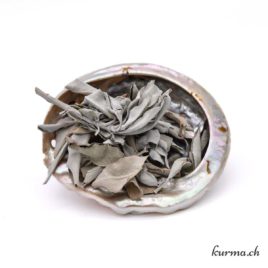
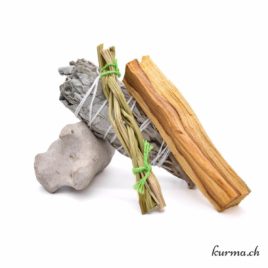
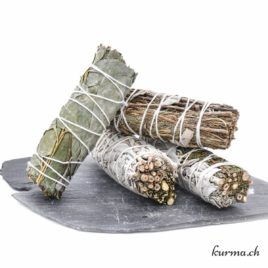
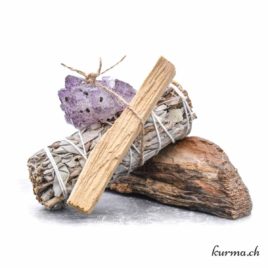
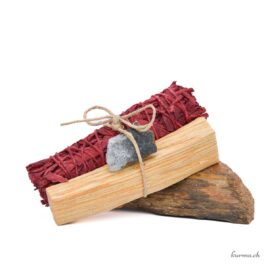
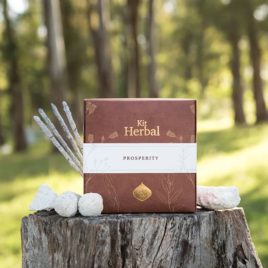
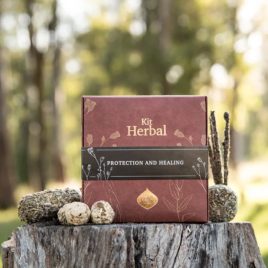
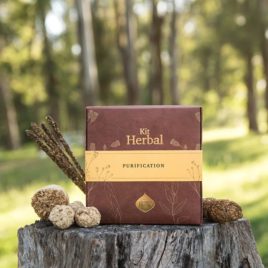
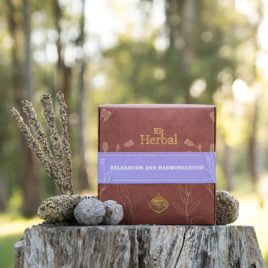

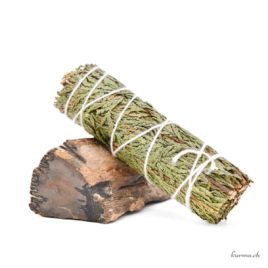

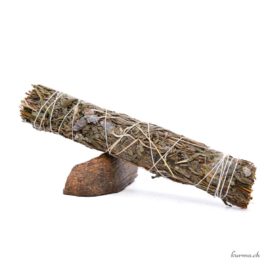
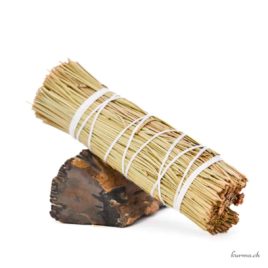
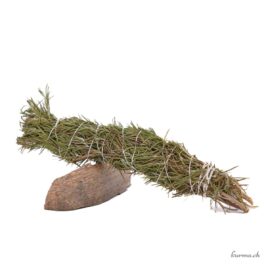
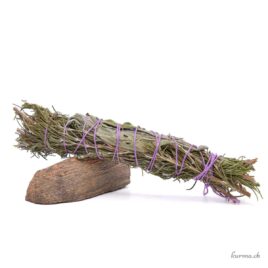

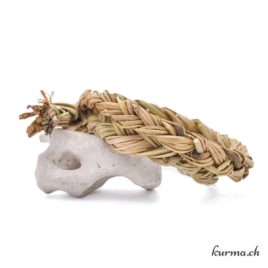


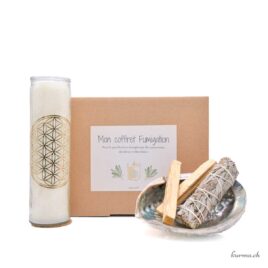
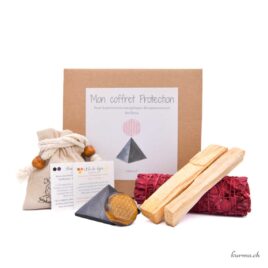
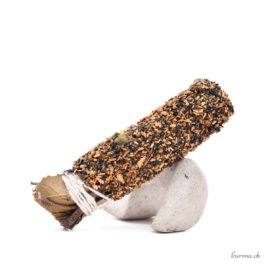
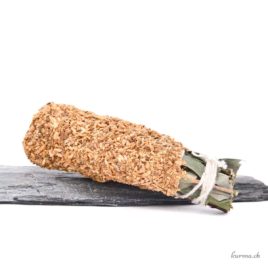
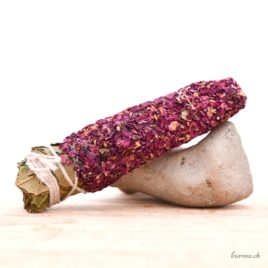
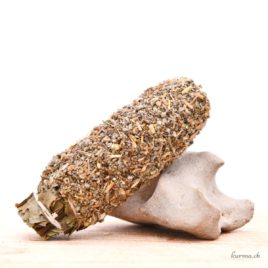
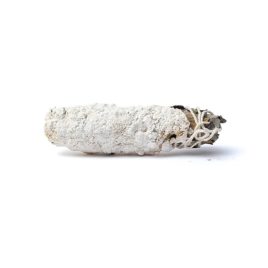
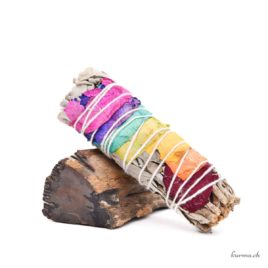
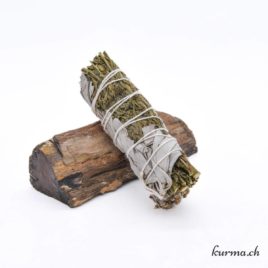
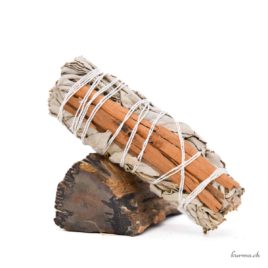
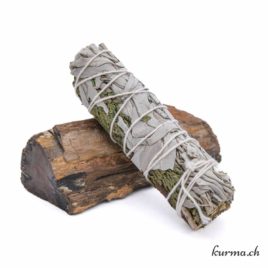
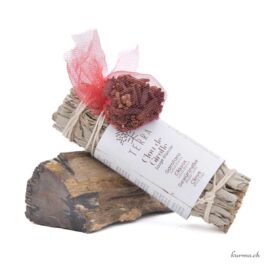
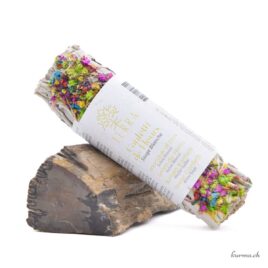
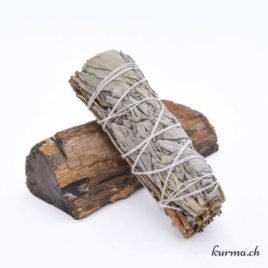
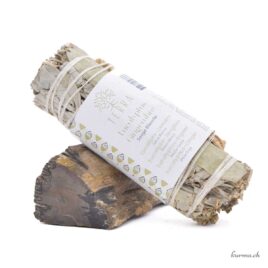
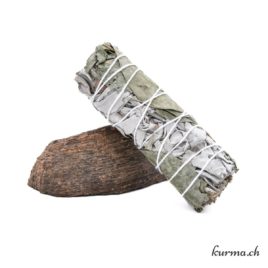
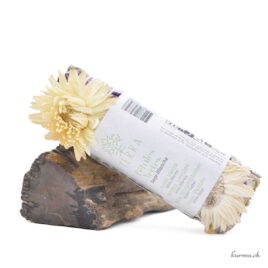
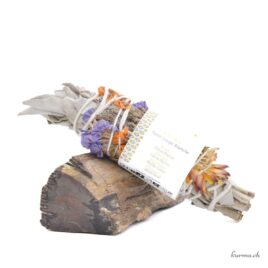
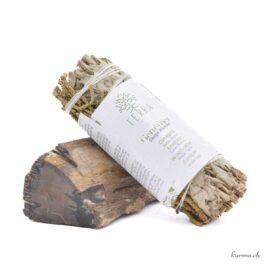
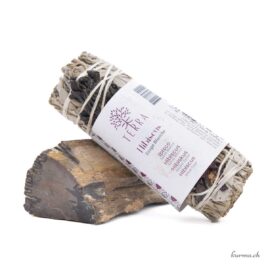
White sage and smudging plants
What are the benefits of purification?
Sage: the origins of a medicinal plant
Sage was already recognized as a medicinal plant more than 3,500 years ago. Traces of it can be found on papyrus scrolls from ancient Egypt, where it was used as a remedy for itching. It was also one of the main ingredients in the embalming preparations used in pharaonic tombs and, from a spiritual perspective, it accompanied Egyptian pharaohs as they crossed over into the afterlife.
In the time of Hippocrates, considered the father of medicine, caregivers praised its hemostatic, fortifying and properties. The Romans, who considered it sacred, recommended sage for its warming and properties, as well as for coughs, hoarseness, to ease childbirth and ulcers. Its harvesting was ritualized and preceded by an offering of food. People washed their feet before harvesting. Clean clothes and a special knife—which was not made of iron so that the blade would not react when it came into contact with the plant—were required.
Traces of it can be found during the reign of Charlemagne, who had a particular fondness for the plant. Farms across the country were required to plant around a hundred medicinal plants, among which sage held a place of honor. It was used by the Celts, as well as in China and the Americas. This sacred plant probably left its mark on all known civilizations that had access to its benefits.
What are the specific characteristics of white sage?
White sage, or Salvia apiana, is native to North America. Indigenous peoples—such as the Lakota, Chumash, and Navajo—have practiced white sage smudging since time immemorial. In a holistic view of the connection between body, mind and , it is used to purify spaces and prayer or healing rituals. According to tradition, aromatic plants, and white and in particular, are burned in abalone shells.
The plant's traditional purifying role is reinforced by research into its composition: the specificity of white sage, in relation to other fumigation herbs such as common sage or rosemary, lies in its volatile compounds which, according to recent scientific research, can activate brain receptors involved in mood regulation, stress reduction and memory and .
It can therefore be beneficial for sleep disorders and combating stress and . Its effects are said to be most effective at bedtime (don't forget to air your room afterwards). Promoting clarity of mind and , it is a great ally for creative processes, when making important decisions, or for clearing mental fog and . and performed the sage ritual in cases of spiritual dilemma and promote positive energies.
According to science, it also has antimicrobial properties: in addition to its purifying and effects, its smoke can reduce the presence of bacteria suspended in the air. It also has antifungal properties and, to a lesser extent, antiviral properties.
What are the different varieties of sage and properties?
White sage, other varieties and plants used in fumigation have many virtues that act on the physical, mental and levels, as well as purifying and atmosphere, places, objects and .
There are many different types of sage. The best known and in fumigation is undoubtedly California white sage. But we also know, for example, blue sage and desert sage, which have similar properties and . These varieties come mainly and southwestern United States and , but thrive and dry areas and high and in different parts of the world. The sage found in our gardens (clary sage and common and ) can also be used for fumigation, and fact has been used since ancient times by and in infusions, poultices, or fumigations, during purification rituals, and its medicinal properties. Although white sage is best known for its purifying properties, other varieties have similar or complementary properties.
- White sage: or Salvia apiana: Salvia comes from the Latin salvare, which means to save or "to be healthy." Apiana is derived from "apis," which means bee. Bees are particularly fond of this variety.
- Black sage: mugwort, also known as dream herb. Belonging to the Artemisia genus, it takes its name from Artemis, goddess of hunting and , who was also responsible for protecting women in pain. Certain species of mugwort (Artemisia vulgaris, Artemisia absinthium, Artemisia annua) contain anti-inflammatory compounds, antimicrobial molecules (antibacterial, antifungal) and active and studied for their antiviral effects. Its aromatic compounds can have a stimulating, relaxing and sedative effect. According to tradition, it is an excellent catalyst for divination sessions. Tradition also attributes to it, without scientific proof, the power to relieve gingivitis, pharyngitis, tonsillitis and , as well as an effect against fatigue, dizziness, and . It is also said to have an effect against diarrhea, abdominal pain, vomiting and excessive and .
- Blue sage: blue, like the color of its magnificent flowers that last all summer long. Shasta sage, highly regarded by shamans and on the slopes of Mount Shasta in California, is a variety of blue sage. It possesses a particularly powerful Yin energy.
- Green sage: hormin or salvia viridis. It symbolizes power, passion and . According to tradition, it is ideal for regaining energy!
- Desert sage: from the desert or Texas, its symbol brings the energy of renewal.
What is a smudge?
The term "smudging" can be translated as "purification by smoke." It is commonly used to refer to ceremonies performed by indigenous peoples in which sacred herbs and are burned during a ritual for purification or medicinal purposes. Smudge therefore refers to the bundle or torch of aromatic herbs used for fumigation. You can view our selection of Sagrada Madre smudge balls made from sage and herbs by exploring our page dedicated to this prestigious Argentine brand.
How to use bulk white sage
An ancient fumigation ritual involves placing loose plant material in an abalone shell and the smoke by gently waving a raptor feather. This ritual represents the four elements in depth. The flame of the match invokes fire. The abalone shell invokes water. The ashes and plant invoke earth. The raptor feather and smoke invoke air. We would like to emphasize the importance of waving the feather gently. Loose leaves are more volatile than a smudge stick. Take your time and present for this ritual.
White sage leaves can also be scattered on the floor. Walking or sitting on them releases a pleasant scent and the space.
Different plants for fumigation
- Cedar: Cedar contains volatile compounds (such as cedrol, thujone and terpenes) that disrupt the sensory system of many insects. It is a natural repellent for flying insects such as mosquitoes and . When burned, cedar can bring joy, boost confidence and intuition. According to tradition, it is also used to ward off malevolent entities and benevolent ones. It can be used to invoke your guides and . When mixed with white sage, it amplifies the purifying benefits of the latter.
- Sweetgrass: thisis an aromaticherb that grows mainly in northern Eurasia and , as well as in Eastern countries. It is also known as fragrant oat or bison grass because it is very popular with bison. If you are a fan of Polish vodka, you may have found a stalk of this plant in a bottle of Zubrówka, whose emblem is, appropriately, a bison. Sweetgrass has a delicious vanilla scent and widely and in fumigation. A sacred plant in many Native American tribes, it is traditionally used in healing ceremonies to purify and a space or people. A "shield" against "evil spirits," it attracts beneficial energies and the spiritual environment.
- Eucalyptus: Eucalyptus smoke gives off a woody and scent that can create a feeling and freshness and purification. Burning its aromatic leaves creates a soothing atmosphere and have a moderate repellent effect on certain insects such as mosquitoes and . However, it is best to avoid its smoke to relieve the respiratory system as it can irritate sensitive airways. Its respiratory and benefits come mainly from its unburned volatile compounds, essential oils, and .
- Copal: burning copal helps to dispel dark thoughts. It has a welcoming energy and relationships with those around you. Its energy is also that of the heart and kindness. Its virtues are also soothing and spirituality.
- Aruda: according to tradition, the vapors of aruda bring good luck and the evil eye. They have protective properties and with grounding.
- Lavender: Burning lavender in a room creates an atmosphere conducive and relaxation and calm. According to tradition, it is the ideal plant for emotional shock, anxiety, grief, or to promote sleep.
- Palo santo: Palo santo wood contains limonene, α-terpineol, menthofuran, and aromatic compounds with molecules known and their antimicrobial properties and relaxing effect when inhaled. In Andean traditions, rituals involving palo santo are intended to ward off negative energies, mark a passage and a sacred space.
Where, when, and should aromatic herbs be used in fumigation?
Fumigation is ideal for purifying a space. At home, at work, in a guest room, or in an Airbnb, it creates a relaxing atmosphere and negative energies. After a moment charged with negative emotions, such as an argument, a stressful unexpected event, or a tense meeting, it allows you to reset the space and on a healthy footing.
Purifying yourself with a smudge brings clarity of mind and concentration. If you are about to embark on a creative process such as painting, music, or any other professional project and family and , using it is a great help.
In lithotherapy, it is important to purify your minerals regularly. Some stones cannot be purified with water as this could damage them. Sage can be used to purify your stones, crystals, or any other ritual objects, which will then be ready to be recharged in the sun, under the full moon, or near an amethyst geode. It also purifies your most beautiful jewelry, salt lamp, statuettes, and wonderful and your altar for rituals.
Salvia apiana and close relatives bring an atmosphere and clarity and serenity to your daily and weekly rituals, as well as special occasions. Whether for waking up, going to bed, moments of intimacy or sexuality, massages, before a home birth, during a funeral ceremony, a wedding or sacred union, a first menstruation ritual, or seasonal rituals, its presence is an asset and valuable aid.
When you feel overwhelmed by stress or anxiety, to recharge your batteries with a bath, massage, meditation, workout, dance session, or any other therapeutic activity. Before a job interview, business meeting, or negotiation, to keep your mind clear. To maintain a high vibrational frequency after a spiritual retreat. There are countless opportunities to take advantage of its many virtues.
When performing a smudging ritual, first make sure that the room you are in is well ventilated so that the smoke laden with negativity can be cleared away. Light your bundle using a lighter, a candle flame, or a match. Let it burn for a few seconds before gently blowing out the flame.
Once the flame of your smudge stick has been extinguished and the smoke and , remain present to yourself and distracting thoughts to be welcomed without clinging to them. Set the intention to purify the place, person, or object of your ritual. Place your sage bundle in a heat-resistant container, such as an ashtray designed for this purpose, a terracotta bowl, or an abalone shell, for example.
At the end of your ritual, or if you simply want to diffuse a pleasant scent, place your container with the bundle in the room of your choice. Allow the smoke to diffuse. But keep an eye on it while it is lit.
The ritual of fumigation is an ancient and practice. Remember to express your gratitude to the plant at the end of the ceremony and it for the virtues and it brings you.
How can you purify your home?
- First and foremost, it is necessary to tidy and the space to allow for optimal energy flow.
- Take deep breaths, ground yourself and if you wish with the guardians of the place, the animals that live in the house and contribute to the cleansing, your guides, the spirit of the plants you use, or whatever else is meaningful to you and your intention.
- Light a candle to raise the vibrational frequency of the place and positively to the energetic cleansing.
- Light your smudge stick and so that the smoke reaches every nook and of the space you want to purify. These are the places where negative energies tend to accumulate. Pay particular attention to poorly ventilated areas, behind doors, in closets and walls. It is advisable and start on the lower floor and clockwise. Remember to let the smoke diffuse into the little-used corners of the space.
- Once the room is filled with smoke, open all doors and and the "energy charges" captured by the smoke leaving and outside the house. Ventilate generously for at least 20 minutes.
- Thank the place, your guides, the guardians, the plants... whatever makes sense to you.
- Don't hesitate to chant mantras, say a prayer, play uplifting music, or burn incense to invite new energies into your home.
How to purify a stone or object?
Hold your precious bracelets, necklaces, stones, or other objects above the smoke for a few minutes. Be sure to maintain your initial intention. For large minerals or statuettes, place them next to your container and the smoke diffuse around them.
How can you purify a person's energies?
Always with a strong intention to purify, diffuse the sage smoke around yourself or another person, starting at the feet. However, it is not recommended to breathe in the smoke directly.
Are there any dangers or contraindications to burning aromatic herbs?
When used for fumigation, they pose no danger. However, this is a fumigation ritual and involves fire, which requires special attention, constant supervision, and good ventilation of the premises. Breathing in the smoke directly is obviously not recommended, especially for people with respiratory problems. Fumigation is also not recommended in the presence of pregnant women, young children, or small animals.
Continue your visit
Reproduction in whole or in part of this content is prohibited. More info