

Sunstone or Heliolite
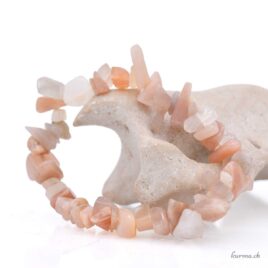
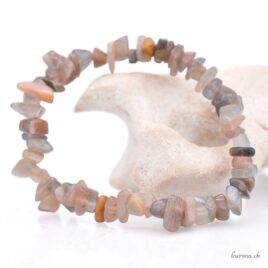
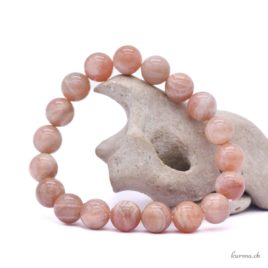
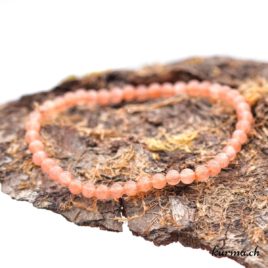
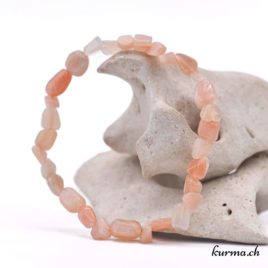
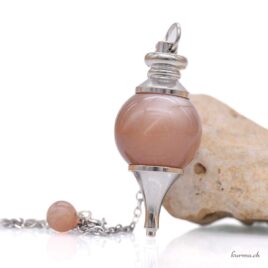
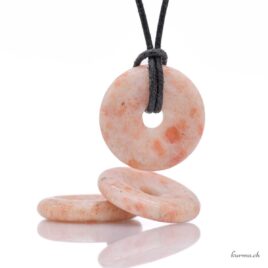
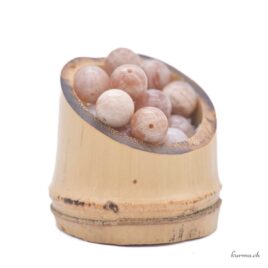
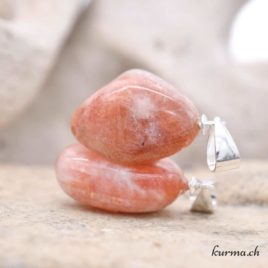
: bracelets, donut pendants in 925 silver and drilled stones, pendulums, beads, rough stones and stones
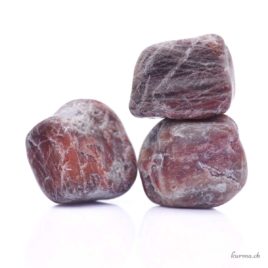
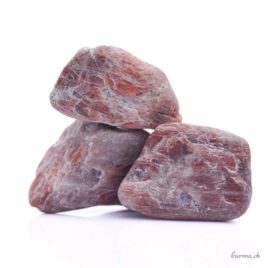
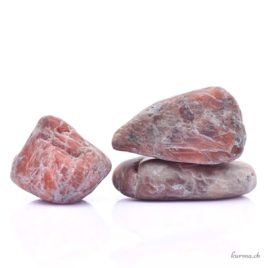
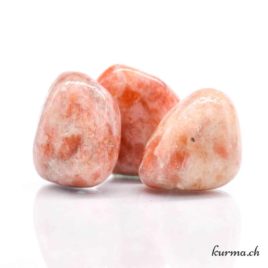
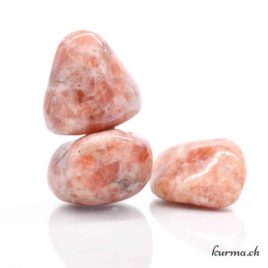
The Sunstone, or Heliolite, is a variety of oligoclase with a sparkling luster.
In crystal healing, it is associated and vitality and joy. It’s for you if you’re looking and warmth, dancing, socializing, celebration and good cheer!
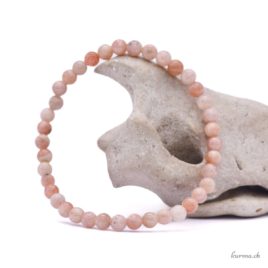
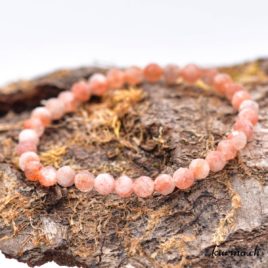
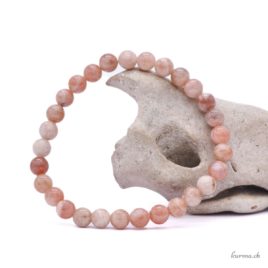
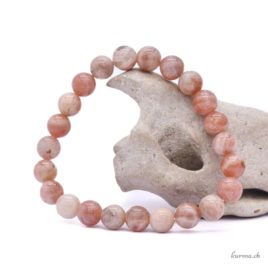
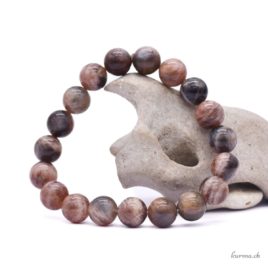
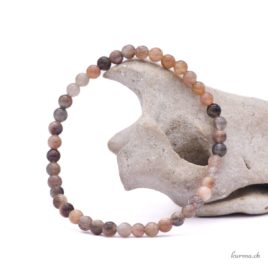
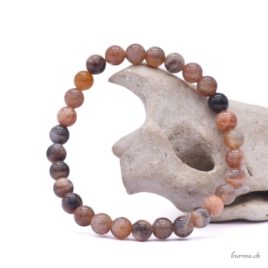
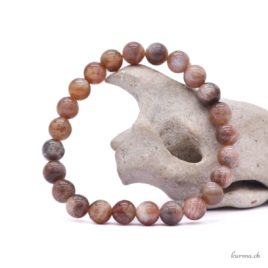
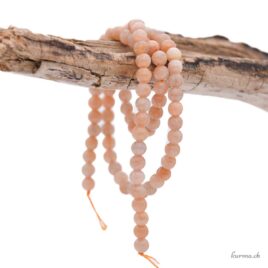
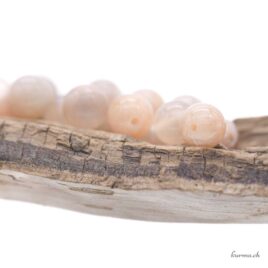
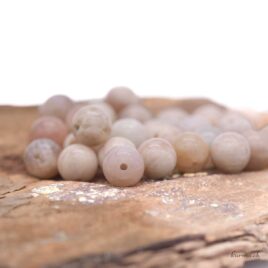
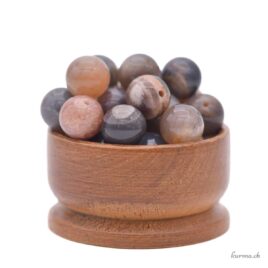
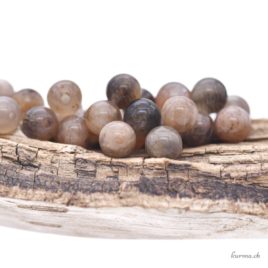
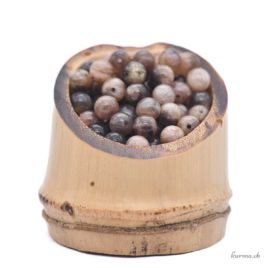
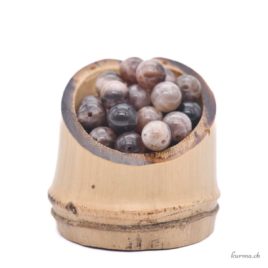
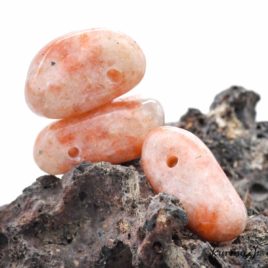
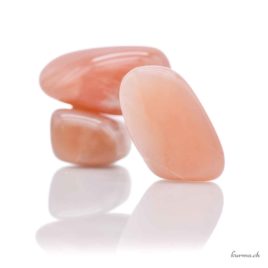
Sunstone
golden shards in my hand
Warm reflections of a sunrise
Its light sparkles with hematite inclusions
Born from ancient magma
The Greeks associated it with the sun god Helios
Today, it symbolizes joy, warmth, and confidence
Whether soft or flamboyant, it sparkles as it moves
Its vibrant fire illuminates and inspires
Sunstone
golden shards in my hand
Warm reflections of a sunrise
Its light sparkles with hematite inclusions
Born from ancient magma
The Greeks associated it with the sun god Helios
Today, it symbolizes joy, warmth, and confidence
Whether soft or flamboyant, it sparkles as it moves
Its vibrant fire illuminates and inspires
Sunstone
golden shards in my hand
Warm reflections of a sunrise
Its light sparkles with hematite inclusions
Born from ancient magma
The Greeks associated it with the sun god Helios
Today, it symbolizes joy, warmth, and confidence
Whether soft or flamboyant, it sparkles as it moves
Its vibrant fire illuminates and inspires
Sunstone
golden shards in my hand
Warm reflections of a sunrise
Its light sparkles with hematite inclusions
Born from ancient magma
The Greeks associated it with the sun god Helios
Today, it symbolizes joy, warmth, and confidence
Whether soft or flamboyant, it sparkles as it moves
Its vibrant fire illuminates and inspires
What are the meanings and of the Sunstone in crystal healing?
In crystal healing, the symbols and of heliolite make it a warm stone associated with vital energy and its joyful expression; its liveliness attracts light and .
Symbols of a Stone of Light
The name Heliolite —from the Greek helios (sun) and (stone)—was given to the stone in 1801 by the mineralogist Jean-Claude Delamétherie in reference to its brilliance and metallic luster and strongly evoke sunlight.
Its iridescence is an optical phenomenon caused by the reflection of light off tiny flat inclusions within the sunstone. Its properties have fascinated many cultures and numerous documented legends.
This is true of ancient Greece, where the stone was associated with the sun god Helios, bringing good fortune and ; or later among the Romans, where Helios took the name Sol and the stone as a votive offering.
Some Viking sagas (such as *Rauðúlfs þáttr* or *Hrafns saga Sveinbjarnarsonar*) mention a “sunstone” that could be used to determine the sun’s position even on a completely overcast day. It may have been the Sunstone—or another polarizing mineral, such as calcite or cordierite—but experts are still debating this!
In the absence of historical and sources, the occult uses of the Sunstone in Renaissance magical traditions seem to be nothing more than modern legends.
The Sunstone is the birthstone for August.
Properties and
In crystal healing, the stone’s solar and meanings are associated and infectious liveliness and good cheer. A source of inner warmth, it stimulates joy, optimism and .
It nurtures a sensitivity to the warmth of the world; going far beyond mere reflection, it helps you become aware of pleasure— through your senses, through the power of its symbols — and the place you too can claim in the sun, thereby strengthening your self-confidence, charisma, and simple and expression.
It will help dispel all mental fatigue, freeing your emotions and dark thoughts and that control you. This vital energy can support all creative endeavors as well as the freedom of speech.
On a physical level
There is no scientific evidence of the stone’s physical effects, but an established energetic tradition attributes to it the power to stimulate metabolism and . It may aid digestion and for issues such as acid reflux or ulcers. It may also stimulate the nervous system and of great help during convalescence, depression, or anxiety attacks.
Day by day
When you feel lonely and gloom and weigh you down, the Sunstone is there to show you the clearing in the fog, the rainbow between two dark clouds and ray of sunshine that makes the raindrops sparkle between showers.
She is a warm and ally who invites you and joy and light, to look on the bright side of things, and to dance to the rhythm of your creativity.
No more boredom, no more dwelling on your problems, and no more putting off your happiness until tomorrow! By inviting you to the party, the Sunstone encourages you to take action, to dare to step out of your shell or break out of your routine to meet new people, embark on new projects, or help what you’ve already started to flourish.
By shedding light on your being, it can help you fully trust in your potential and recognize your strengths. And when you struggle to believe in your own resources, when you’re afraid of falling short, it serves as a reminder that this energy can inspire and , so that you, too, can help whatever you touch grow and .
You can gain vitality, enthusiasm and lightness, so that you can shine with confidence as you open your arms wide and good fortune, abundance and joy.
How to use a Sunstone
- To balance your masculine and energies, place a moonstone on your left and sunstone on your right
- When winter drags on and start and light and , take a moment to gaze at a Sunstone. Place it somewhere you’ll see it often, like where you drink your coffee or on your desk
- Wear it directly against your skin and regularly to fully enjoy its benefits
- Feeling a bit low on energy? Put this stone in your water pitcher
- If you're feeling down, place a Sunstone on your solar plexus and second one over your heart
- If you have digestive problems, place this stone directly on your stomach.
Where to place a Sunstone?
- A Sunstone in your living space will radiate warm energies that promote a zest for life and togetherness
- It can be placed in your kitchen, living room, or dining room
- in your room, next to your alarm clock, to motivate you and get up and start a new day
- It can also be a welcome addition to your workplace, especially if you don't get any natural light or if you work at night.
Who is the Sunstone for?
- It can be a great help to people who are shy, introverted, lack self-confidence, and have trouble making friends
- for older adults who are often alone, to encourage them to enjoy life despite difficulties or health issues
- It is an ideal stone for developing one’s masculine potential without neglecting one’s feminine potential. It is well suited for anyone wishing to explore this polarity within themselves, or who frequently needs to tap into their masculine side at work or in daily life.
- It is particularly well-suited for people who are depressed, gloomy, or have lost their zest for life.
Which stones go well with the Sunstone?
In crystal healing, the Sunstone can be combined with various gemstones and depending on the desired benefits:
- Combining it with citrine or yellow macro-crystalline quartz can enhance both joy and self-confidence
- the combination with carnelian to boost your sexual energy and
- The symbolic properties of hematite can help with stabilization and
- To balance your polarities, moonstone can help you embrace the complementary nature of the sun and moon
- The Tiger's Eye's protective and grounding properties also boost self-confidence.
Important notes on the hardness of Sunstone and combination with other stones
Sunstone has a hardness of 6 to 6.5 on the Mohs scale. Among the stones we recommend pairing it with, it can scratch or be scratched by Hematite (5 to 6.5) or Moonstone (6 to 6.5). It can be scratched by Citrine, Carnelian, or Tiger’s Eye (all 7). Caution is advised—such as avoiding unnecessary friction.
Reload and clean
How to purify a Sunstone?
Gentle sunlight / clear water without salt or prolonged soaking, or with a soft damp cloth and immediate and / form waves (Flower of Life or sacred geometries) / smudging (sage or incense) / resting on a druse or a cluster of selenite or quartz / singing bowl, Tibetan bells, or tuning forkTreatments to avoid
Avoid prolonged exposure to sunlight or heat (risk of internal cracks) / abrasive and products / impacts (the stone is fragile due to its perfect cleavage) / salt, which may damage it
Chakras
Heart (Anahata)warmth and
Sacral chakra (Svadhisthana)
creativity, energy, desire
Solar plexus chakra (Manipura)
vitality, confidence, determination
Astrological signs
Aries, Leo, Sagittariussolar energy, action, and
Libra, Pisces
emotional support, self-expression
Element
Lightenergy, charisma, determination
Mineralogy of Sunstone
Sunstone, or heliolite, is a variety of feldspar (plagioclase or orthoclase) with the chemical formula (Na,Ca)(Al,Si)₄O₈.
Its crystal system is triclinic or monoclinic, and perfect cleavage—which makes it brittle.
It is a liquid magmatic rock and survive metamorphic processes. It is a sodium and aluminosilicate containing traces and barium, iron, potassium and strontium.
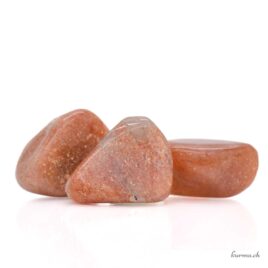
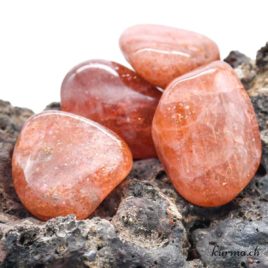
It is transparent, translucent, or opaque and be orange, red, pink, copper-brown, green, or two-tone yellow. It is distinguished by its shimmering appearance, known as “aventurescence,” caused by inclusions of flakes of hematite (iron oxide), goethite, or copper.
It is found in India, Norway, Russia, Canada, the United States (Oregon), and the Czech Republic.
Its hardness is 6–6.5 on the Mohs scale.
Did you know?
- The famous Sunstone, native to Oregon in the United States, is distinguished by its transparency and and unique formation and : it forms volcanically in basaltic lava flows and manganese and , and inclusions are copper flecks. It has been the official state stone of Oregon since 1987.
- The mineralogical name for Sunstone is "aventurine feldspar" and connection to the variety of quartz known as aventurine
- "Golden Orange River" is often sold under the name "Sunstone." It is actually synthetic glass containing copper flakes.
- Sunstone belongs to the same family as moonstone.
Lithotherapy
- Element(s) :
- Zodiac(s) :
- Aries, Leo, Scorpio
- Purification :
- Singing bowl, Water, Fire, Fumigation, Form waves, Sun, Breath
- Caution(s):
- No
- Illness(es) :
- Ulcer (gastric)
- Physics :
- Acidity (gastric), Digestive system, Stomach, Fatigue, Immune system, Nervous system, Vitality
- Emotional :
- Action, Anguish, Self-confidence, Courage, Enthusiasm, Self-image, Joie de vivre, Procrastination, Sadness
- Spiritual :
- Intuition, Meaning of life
- Disorder(s):
- Burn-out, Depression
- Miscellaneous :
- Abundance, Friendship, Chance, Convalescence, Creativity, Libido, Prosperity, Relationship (friendship), Relationship (love), Relationship (family)
Mineralogy
- Hardness :
- 6.0-6.5
- Moths scale:
- 6
- Strunz classification :
- Silicate
- Crystalline system :
- Triclinique
- Chemical element :
- Na, Ca, Al, Si, O
- Line color :
- White
- Density :
- 2.5-2.7
- Cleavage :
- Perfect
- Transparency :
- Opaque to transparent
- Refringence :
- 1,54-1,55
- Birefringence :
- Δ = 0,007
- Colors :
- Orange to reddish brown
Combine with Sunstone
*Please note! Some minerals may be toxic and must not be licked or ingested (as such or in the form of powder, elixir or stone water) or be in prolonged contact with the skin or mucous membranes.
*The information on the stones described here are general indications based on our research and experience, and are not exhaustive.
Reproduction in whole or in part of this content is prohibited. More info